
النقاط الرئيسية
- يستفيد نظام إدارة المرور الذكي من الذكاء الاصطناعي والبيانات في الوقت الفعلي لتحديث وسائل النقل الحضرية.
- تعمل الحلول الذكية على تحسين تدفق حركة المرور وتقليل الازدحام، مما يؤدي إلى تحسين جودة الهواء وكفاءة التنقل بشكل عام.
- تسهم أنظمة التحكم المتطورة في إشارات المرور في تعزيز السلامة على الطرق بشكل كبير من خلال حماية مستخدمي الطرق المعرضين للخطر وإعطاء الأولوية لخدمات الطوارئ.
- توفر منصة Miovision One لمسؤولي إدارة المرور نظامًا بيئيًّا قادرًا على مواكبة المستقبل لإدارة أنماط حركة المرور المتغيرة.
يستخدم نظام إدارة المرور الذكي البيانات في الوقت الفعلي والذكاء الاصطناعي لتحسين تدفق حركة المرور. ومن خلال دمج حلول إدارة المرور الذكية، تعمل المدن على تقليل الازدحام وتحسين السلامة على الطرق. اكتشف كيف تعمل أنظمة المرور المتطورة هذه على إحداث تحول في وسائل النقل الحضري الحديثة والتنقل.
يمر النقل الحضري بمرحلة تحول حاسمة. فمع نمو المدن، تتعرض الطرق والأرصفة لضغوط شديدة، وقد وصلت العديد من شبكات النقل إلى حدود طاقتها الاستيعابية.
بالنسبة لمخططي المدن ووكالات النقل، لم تعد إضافة المسارات حلاً فعالاً. فهي تكلف أكثر وتحل مشاكل أقل. أصبح التركيز الآن على وسائل نقل أكثر ذكاءً. تستخدم المدن التكنولوجيا والبيانات لتحسين انسيابية حركة المرور والسلامة.
هذا هو الأساس الذي يقوم عليه نظام إدارة حركة المرور الذكي (ITMS).
ما هو نظام إدارة المرور الذكي (ITMS)؟
وبعبارة بسيطة، فإن نظام إدارة المرور الذكي هو مجموعة شاملة من التقنيات الذكية المصممة لمراقبة وتحليل وتحسين تدفق حركة المرور عبر شبكة المرور. وهو يسد الفجوة بين البنية التحتية التقليدية والعصر الرقمي من خلال الاستفادة من الذكاء الاصطناعي والبيانات في الوقت الفعلي لتوجيه عملية اتخاذ القرار.
من خلال تطبيق نظام إدارة المرور الذكي، يمكن للمدن الابتعاد عن التوقيتات الثابتة والمبرمجة مسبقًا لإشارات المرور. وبدلاً من ذلك، يمكنها اعتماد أنظمة مرور تكييفية التي تستجيب لظروف حركة المرور الفعلية فور حدوثها.
نظام ذكي لإدارة حركة المرور يدمج الأجهزة، مثل مستشعرات حركة المرور وأنظمة الكشف بالفيديو، مع برامج متطورة لإدارة حركة المرور لإنشاء نظام بيئي حي ومتجدد للتنقل الحضري.
وفي نهاية المطاف، فإن هذا التكامل يحول التنقل الحضري من شبكة ثابتة إلى مرفق مرن يركز على الإنسان تتطور مع احتياجات المدينة.
دور الإدارة الذكية لحركة المرور في المدن الذكية
تؤمن شركة «ميوفيجن» بأن كل مجتمع محلي يمكن أن يتحول إلى «مدينة ذكية» عندما يتوفر له الوصول إلى البيانات المناسبة.
غالبًا ما يمثل نظام إدارة المرور الذكي الخطوة الأولى في هذا التطور. فهذه الأنظمة لا تقتصر على إدارة السيارات فحسب، بل تحسن جودة الحياة من خلال تقليل الازدحام و تعزيز السلامة على الطرق لجميع مستخدميها.
جوهر أي نظام ذكي لإدارة حركة المرور هو جمع البيانات. من خلال أدوات مراقبة حركة المرور مثل Miovision Scout Plus، يمكن للمدن جمع بيانات مرورية عالية الدقة لفهم أنماط حركة المرور وأحجامها.
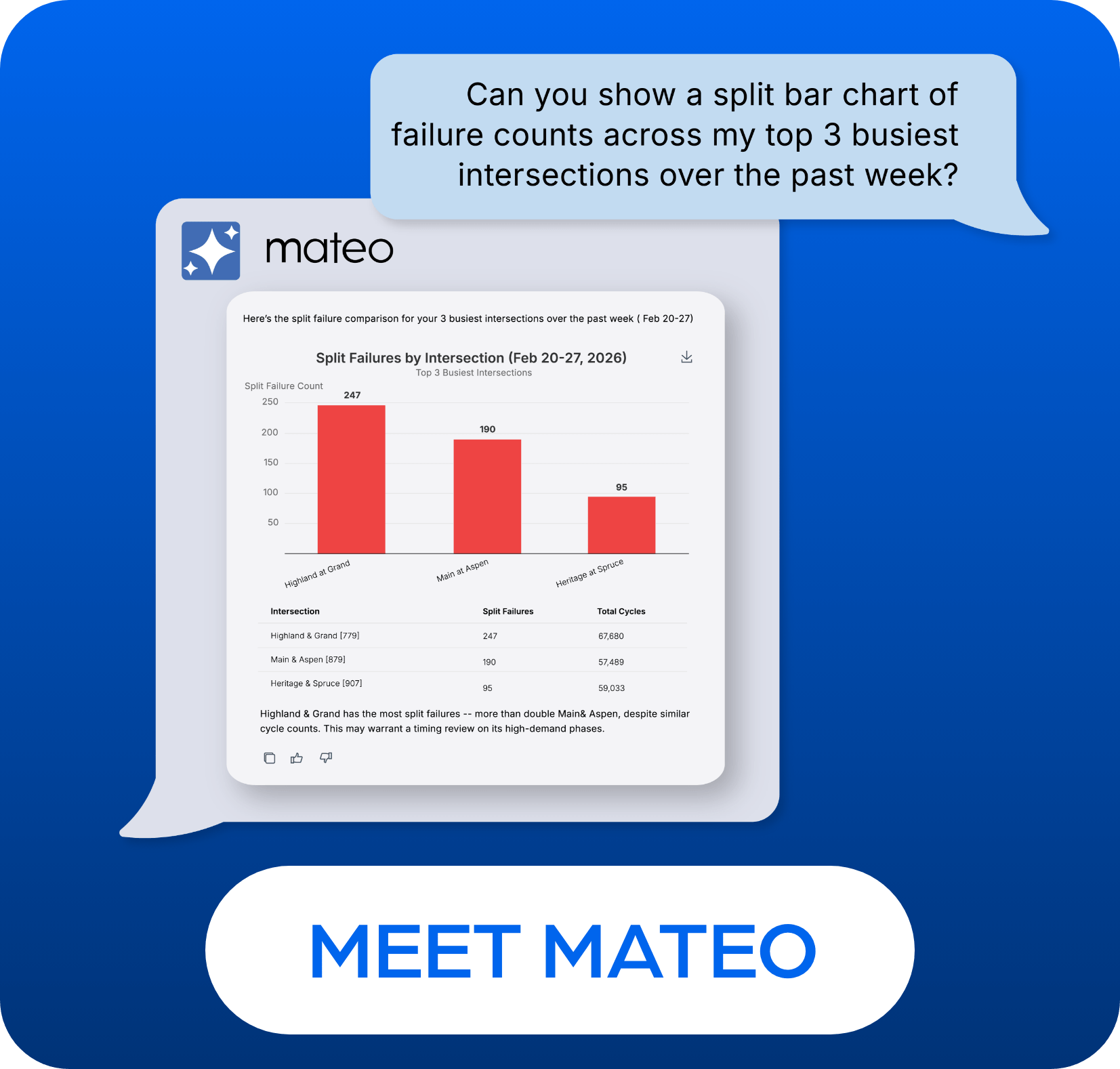
ثم يتم توجيه هذه البيانات التي تم جمعها إلى منصة Miovision One، وهي حل برمجي متكامل لإدارة حركة المرور يتيح لمديري حركة المرور عرض شبكة المرور بأكملها في مكان واحد.
التطور من البنية التحتية القديمة إلى المراقبة الحديثة للأداء
كانت إدارة حركة المرور التقليدية تعتمد في الغالب على جمع البيانات يدويًّا وبشكل متقطع، وهو ما كان يوفر فقط لمحة محدودة عن أحوال الطرق. هذا النهج القديم صعّب على سلطات النقل الاستجابة لأنماط حركة المرور المتغيرة أو التغيرات الموسمية في أحجام حركة المرور.
واليوم، يعمل نظام إدارة المرور الذكي على تحسين هذا العمل من خلال توفير رؤية مستمرة ودقيقة للغاية. من خلال تحديث البنية التحتية الحالية باستخدام أدوات ذكية لإدارة حركة المرور، يمكن للمدن التحول إلى نموذج استباقي. ويدعم هذا النهج إشرافًا أقوى وأسرع وأكثر موثوقية على الشبكة.
هذا التحول إلى برامج إدارة المرور الحديثة يعني أن القرارات لم تعد تستند إلى دراسات قديمة أو قائمة على روايات متناثرة. يستخدم المهندسون الآن البيانات في الوقت الفعلي لتحسين تدفق حركة المرور وحل المشكلات التشغيلية في وقت مبكر، قبل أن يتقدم السكان بشكاوى.
يضمن هذا التطور أن تظل أنظمة المرور قادرة على التكيف مع المتطلبات الفريدة لأي بيئة حضرية حديثة.
تحسين تدفق حركة المرور باستخدام البيانات في الوقت الفعلي
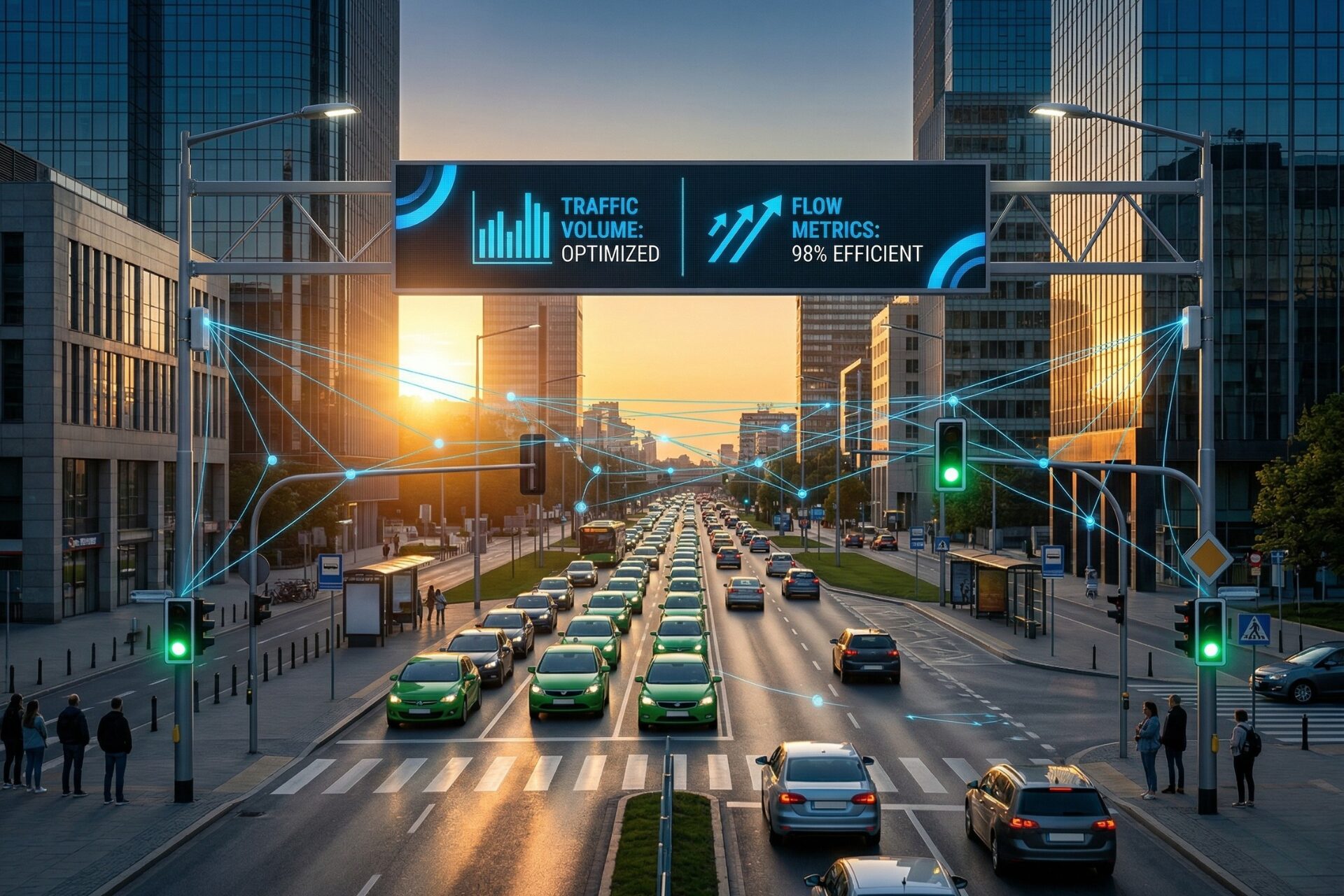
الهدف الرئيسي لإدارة المرور الذكية هو تقليل الازدحام وتحسين انسيابية حركة المرور. وباستخدام الرؤية الحاسوبية وبيانات حركة المرور في الوقت الفعلي، يمكن لنظام إدارة حركة المرور الذكي (ITMS) ضبط إشارات المرور ديناميكيًا.
عندما تزداد كثافة حركة المرور على أحد الشرايين الرئيسية، يمكن لنظام إدارة حركة المرور أن يمدد مدة الإشارة الخضراء تلقائيًا لمنع حدوث الاختناقات المرورية.
يوفر هذا المستوى من التحكم في حركة المرور مزايا كبيرة:
- تحسين كفاءة حركة المرور: من خلال تقليل الوقت الذي تقضيه المركبات في وضع التباطؤ، تشهد المدن تحسناً في سرعة تدفق حركة المرور وتقليل الازدحام.
- التأثير البيئي: إن الحد من الازدحام يساهم بشكل مباشر في تحسين جودة الهواء من خلال خفض انبعاثات المركبات.
- الفوائد الاقتصادية: أنظمة النقل الفعالة تقلل من الخسائر الاقتصادية الناجم عن التأخير في حركة البضائع والأشخاص.
تعزيز السلامة على الطرق والاستجابة لحالات الطوارئ
تعد السلامة أولوية أساسية لشركة Miovision.
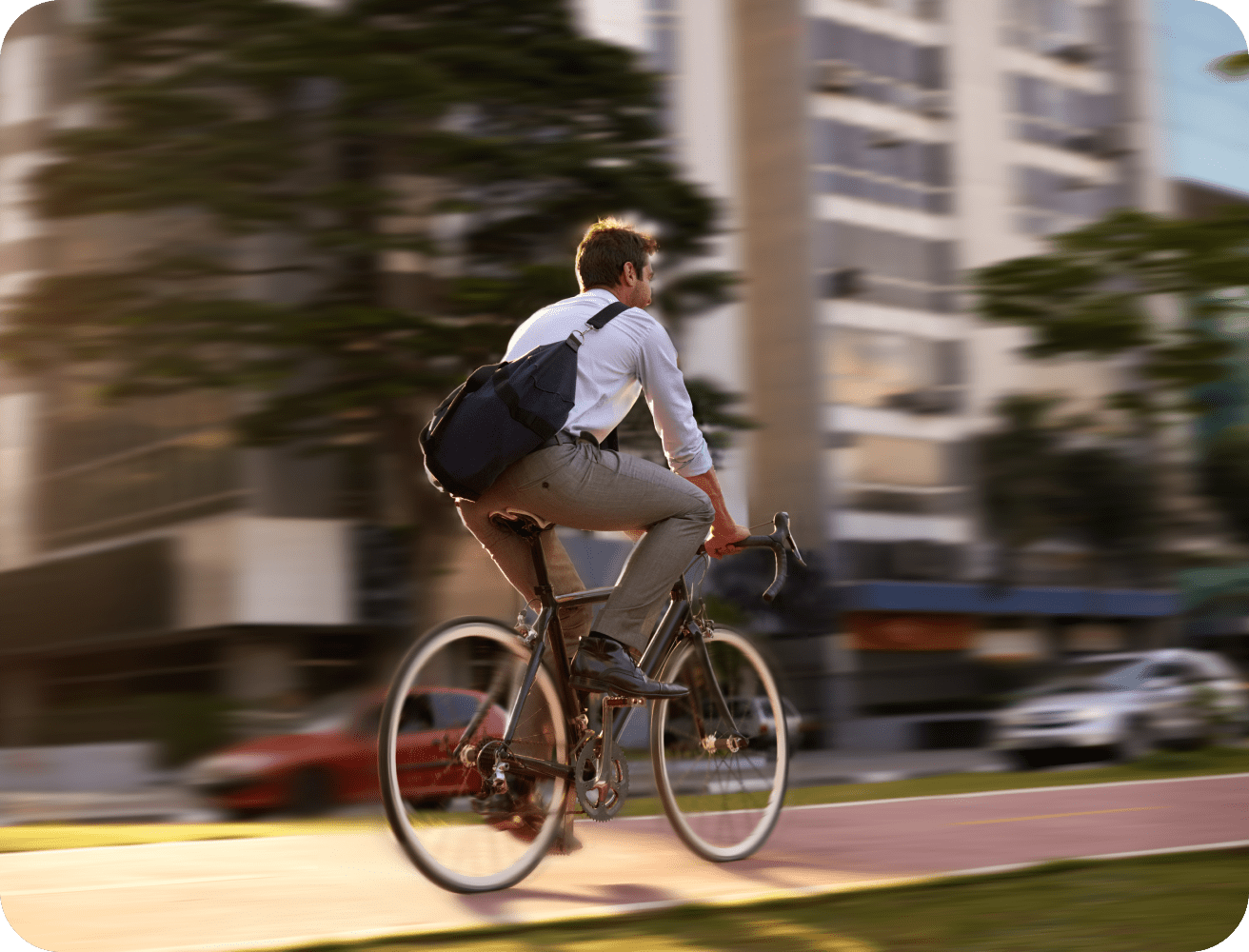
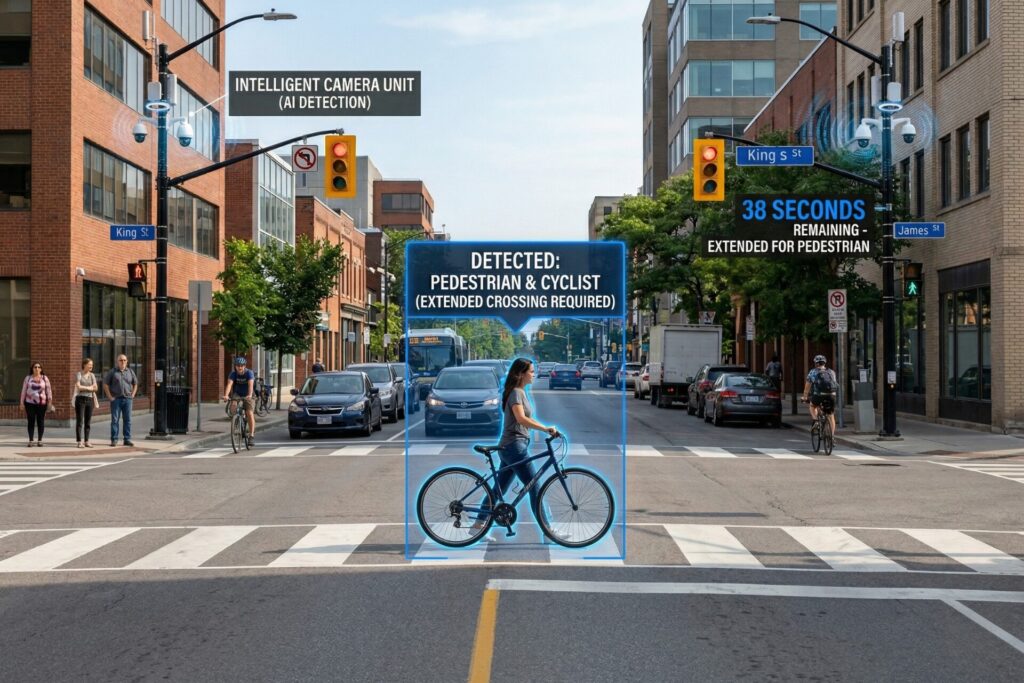
الإدارة الذكية لحركة المرور تساعد في حماية مستخدمي الطرق المعرضين للخطر، بما في ذلك المشاة وراكبي الدراجات. يمكن لإشارات المرور الذكية المزودة بنظام الكشف بالفيديو رصد الأشخاص في ممر المشاة، واكتشاف ما إذا كان أحد المشاة لا يزال يعبر الطريق، ومن ثم تعديل توقيت الإشارة لتقليل مخاطر وقوع الحوادث.
علاوة على ذلك، تستخدم خدمات الطوارئ أنظمة المرور الذكية للتنقل عبر الشوارع المزدحمة. على سبيل المثال، يدعم نظام Miovision Opticom تدعم إدارة حركة المرور من خلال أولوية مرور مركبات الطوارئ (EVP).
يتيح نظام EVP لمركبات الطوارئ التواصل مع إشارات المرور، مما يساعدها في الحصول على الضوء الأخضر عند اقترابها من التقاطع. هذه الأولوية تقلل من أوقات الاستجابة وتساعد في منع وقوع حوادث خطيرة عند التقاطعات المزدحمة.
دعم النقل العام والتنقل الحضري
يجب أن يأخذ نظام النقل الذكي حقًّا في الحسبان جميع وسائل التنقل. وقد تحسنت كفاءة النقل العام تتحسن بشكل كبير من خلال أولوية إشارات النقل العام (TSP). وعلى غرار نظام EVP، تتيح تقنية TSP لحافلات المدينة طلب تمديد الإشارة الخضراء، مما يساعدها على الالتزام بالجدول الزمني ويجعل وسائل النقل العام أكثر جاذبية للسكان.
عندما يتوفر لمديري حركة المرور إمكانية الوصول إلى البيانات التاريخية و البيانات في الوقت الفعلي، يمكنهم فهم كيفية استخدام المجموعات المختلفة للطرق بشكل أفضل. على سبيل المثال، قد يكشف تحليل البيانات أن بعض أماكن وقوف السيارات تتسبب في ازدحام مروري لأن شاحنات التوصيل تسد الممرات.
وبفضل هذه المعلومات، يمكن لسلطات النقل توجيه حركة المرور أو اقتراح مسارات بديلة، مما يسهم في تحسين انسيابية حركة المرور بشكل أكبر.
تأثير أنظمة المرور الذكية
يُعد تنفيذ نظام ذكي لإدارة حركة المرور استثمار في مستقبل المدينة.
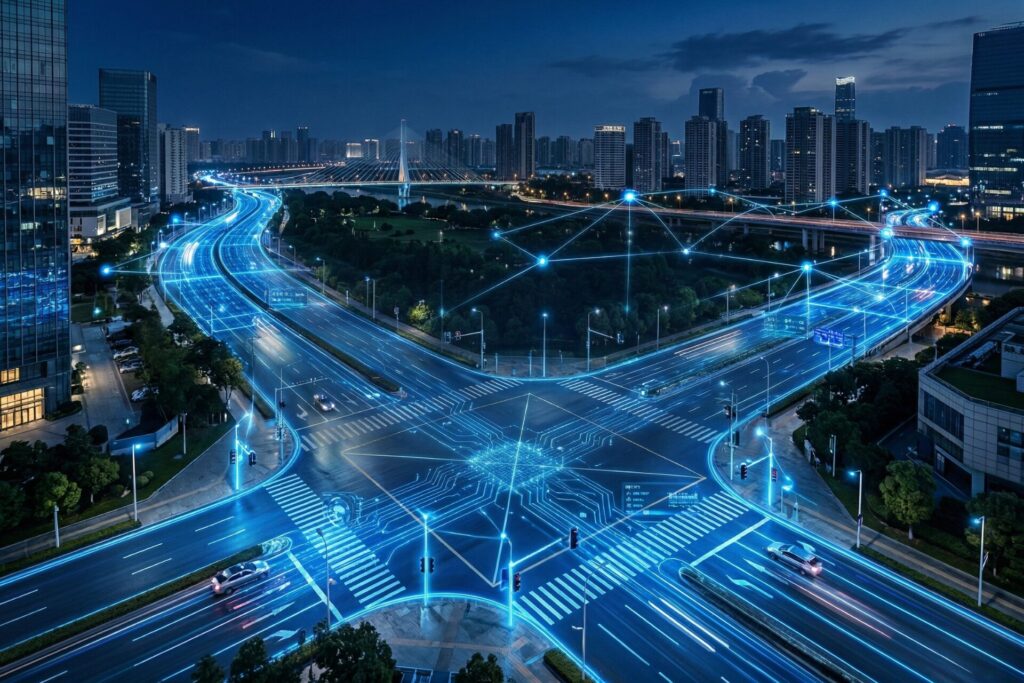
من خلال الاستفادة من أدوات إدارة حركة المرور الذكية، يمكن للمجتمعات المحلية أن تشهدتحسينات فورية في كفاءة حركة المرور والسلامة على الطرق. وسواء كان ذلك من خلال التعرف بالترددات الراديوية لتحديد الأولويات أو الرؤية الحاسوبية لتحليل كثافة حركة المرور، فإن هذه التقنيات الذكية هي المفتاح نحو عالم أكثر استدامة ومرونة في التنقل.
يتمتع مسؤولو إدارة المرور الذين يستخدمون أنظمة إدارة المرور الذكية بقدرة أكبر على ضبط إشارات المرور، وإدارة أنماط حركة المرور، وضمان تدفق أكثر سلاسة للمرور للجميع. يُقدّر هذا النهج القائم على البيانات الشفافية ويمنح مسؤولي المدينة السيطرة التي يحتاجونها لاتخاذ أفضل القرارات لصالح سكان مدنهم.
الاستعداد للمستقبل مع Miovision One
مع تتطور التكنولوجيا، يجب أن تتطور استراتيجياتنا لإدارة حركة المرور أيضًا.
تقنيات Miovision المُصممة لمواكبة المستقبل مصممة للتكيف مع الاحتياجات المتغيرة للمناطق الحضرية. منصة Miovision One المستخدمين من الانتقال من مراقبة حركة المرور التفاعلية إلى الإدارة الاستباقية للتقاطعات.
تعمل شركة «ميوفيجن» على تبسيط الطريقة التي يتفاعل بها مديرو المرور مع بياناتهم. وتضمن هذه التقنيات المتطورة أن المدن لا تكتفي بإدارة مشاكل الحاضر فحسب، بل تكون مستعدة أيضًا للبنية التحتية في المستقبل.
الأسئلة الشائعة حول أنظمة إدارة المرور الذكية
ما هو الهدف الرئيسي لنظام إدارة المرور الذكي؟
الهدف الأساسي هو تحسين تدفق حركة المرور مع تعزيز السلامة على الطرق. ومن خلال استخدام البيانات في الوقت الفعلي، تعمل هذه الأنظمة على تقليل الازدحام وضمان بقاء التنقل الحضري فعالاً وآمناً لجميع مستخدمي الطرق.
كيف تساعد إدارة حركة المرور الذكية خدمات الطوارئ؟
أنظمة مثل Miovision Opticom تقنية "أولوية مركبات الطوارئ" لتعديل إشارات المرور. ويضمن ذلك وصول مركبات الطوارئ إلى وجهاتها بشكل أسرع من خلال توفير إشارات خضراء، مما يحسّن بشكل كبير أوقات الاستجابة والسلامة العامة عند التقاطعات.
هل يمكن لهذه التقنيات الذكية أن تعمل مع البنية التحتية الحالية؟
نعم. تم تصميم حلول مثل Miovision Scout Plus ومنصة Miovision One بحيث تتكامل مع شبكات الطرق الحالية. وهذا يتيح للمدن تحديث أنظمة إدارة حركة المرور لديها دون الحاجة إلى تطوير بنية تحتية جديدة باهظة التكلفة أو ضخمة الحجم.
هل يساعد نظام إدارة النقل الذكي (ITMS) في خفض الانبعاثات في المدينة؟
بالتأكيد. من خلال تحسين تدفق حركة المرور وتقليل الازدحام إلى أدنى حد، يقلل نظام إدارة حركة المرور الذكي من فترة توقف المركبات مع تشغيل المحرك. ويؤدي ذلك إلى خفض انبعاثات الكربون وتحسين جودة الهواء في شبكة المرور بأكملها.
السير نحو مستقبل أكثر ذكاءً
تبدأ الرحلة نحو المدينة الذكية بالالتزام بالإدارة الذكية لحركة المرور.
من خلال دمج أجهزة استشعار حركة المرور وبرامج إدارة حركة المرور والاستراتيجيات المتطورة، يمكن للمدن مواجهة التحديات الواقعية. فمن الحد من الازدحام المروري إلى تحسين تدفق حركة المرور وضمان سلامة مستخدمي الطرق المعرضين للخطر، فإن فوائد نظام إدارة حركة المرور الذكي واضحة للعيان.
تكرس شركة Miovision جهودها لتوفير الأدوات والرؤى اللازمة للتعامل مع تعقيدات التنقل الحضري المعاصر. من خلال تحسين أنظمة النقل وتعزيز التنقل الذكي، يمكننا إنشاء مدن يسهل التنقل فيها، وتكون أكثر أمانًا للعيش فيها، وأكثر استدامة للأجيال القادمة.