Case Study/ Miovision Scout


A real-world case study on evaluating protected bike lanes, identifying safety conflicts, and making iterative infrastructure improvements with continuous data.
Download the Case Study



An engineering evaluation revealed that traffic conditions along a major Bellingham corridor created high stress and safety risks for bicyclists—particularly less experienced riders—despite significant bicycle traffic. These conditions exposed a critical gap in the city’s active transportation network and underscored the need for a safer, data-informed bike lane design.
Key Pain Points:
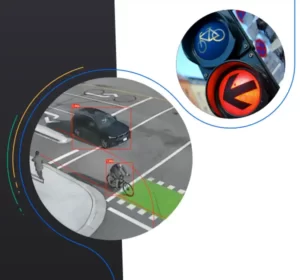
To address these challenges, the City of Bellingham deployed Miovision Scout Plus® and Continuous Safety Monitoring (CSM) to better understand how vehicles, cyclists, and pedestrians interacted along the corridor.
By leveraging turning movement counts (TMCs), near-miss analysis, and conflict video clips, the city was able to proactively identify high-risk locations—especially where right-turning vehicles interacted with cyclists—and evaluate the effectiveness of the new bike lane design.
Miovision’s Turning Movement Counts captured 24-hour, multimodal traffic data at key intersections, providing detailed insights into travel patterns and volume trends before and after implementation.
The first phase of the Holly Street pilot delivered clear, data-backed outcomes:
These insights allowed the city to move beyond assumptions and make targeted, evidence-based improvements to the corridor.
See how data-driven insights can improve bike lane safety in your city. Fill out the form to download the full case study now!