The Road to Zero: Insights From 50 Traffic Safety Studies
Traffic crashes claim more than 1.19 million lives globally each year, with young people among the most affected¹. As cities pursue Vision Zero, many are realizing that traditional, crash-based safety analysis is too reactive and slow. This case study shows how near-miss analysis and video-based diagnostics help cities identify risk earlier and accelerate progress toward zero fatalities.
Download the Case StudyWhy Traditional Road Safety Data Isn’t Enough

Vision Zero requires cities to prevent severe crashes—not just respond to them. But relying on historical crash data creates major limitations:
- Crashes are rare, underreported events
- Data often lacks insight into why risk exists
- Years can pass before trends become statistically significant
As a result, cities struggle to prioritize interventions, justify budgets, and measure whether safety improvements are actually working, especially for vulnerable road users like pedestrians and cyclists.
Miovision’s Proactive Approach to Road Safety
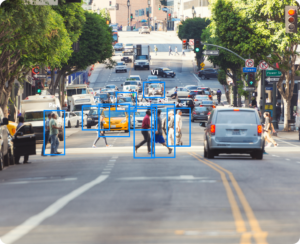
Across 50 traffic safety studies, Miovision applied AI-powered video analytics and near-miss analysis to diagnose risk at in-service intersections.
Using a proprietary Kinetic Energy Risk Model, cities were able to:
- Identify high-risk interactions before serious crashes occurred
- Analyze factors such as speed, angle of impact, user vulnerability, and proximity
- Match precision countermeasures to specific risk behaviors
- Measure safety improvements rapidly using before-and-after analysis
This approach enabled agencies to shift risk into lower-severity “green zones” instead of waiting for crash histories to accumulate.
What the Studies Revealed: One Size Doesn’t Fit All
The studies consistently showed that targeted, location-specific interventions outperform generalized safety treatments. Our solutions have been successfully implemented in multiple cities across North America, Europe and Japan, resulting in significant risk reductions and increased safety for vulnerable road users such as pedestrians and cyclists.
Bike Safety: Quick Diagnostics and Quick Wins in Vancouver
- Diagnosed bike lane safety risks across 10 locations using video-based safety analysis
- Implemented low-cost, targeted design improvements based on identified risk factors
- Achieved a 54.8% average risk reduction and a 68% increase in cycling volumes
- Demonstrated how safer infrastructure can drive mode shift and emissions reduction
Left-Turn Traffic Calming
- Used video analytics to identify high-risk left-turn movements at intersections
- Applied targeted left-turn calming treatments to address speed and conflict severity
- Measured substantial reductions in conflicts and turning speeds post-implementation
- Validated effectiveness through trajectory-based risk analysis
Pedestrian Safety Enhancements
- Analyzed pedestrian risk from turning vehicle conflicts using video diagnostics
- Deployed precision-targeted countermeasures, including LPIs, signage, and turn restrictions
- Achieved risk reductions exceeding 80% at treated intersections
- Improved pedestrian safety without relying on historical crash data
Who Should Read This Case Study
- Vision Zero & Road Safety Leaders
- Traffic & Transportation Engineers
- Municipal Planners & Policy Teams
- Agencies responsible for pedestrian and cyclist safety
Learn how cities across North America are using near-miss analysis to identify risk faster, deploy budget-friendly countermeasures, and make measurable progress toward Vision Zero.
Fill out the form and download the full case study today!
¹World Health Organization – Road Traffic Injuries News Article